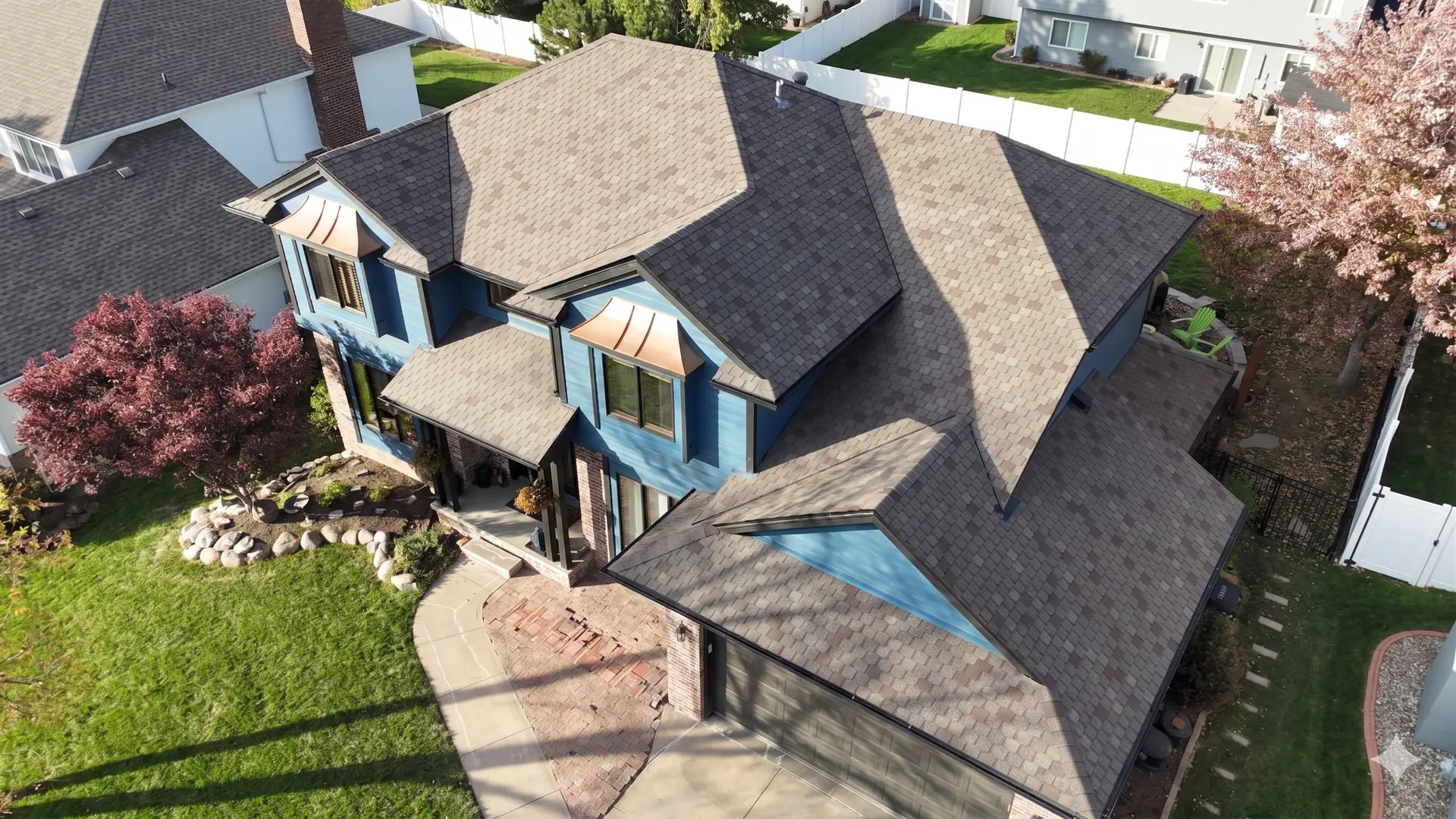
FIX WHAT THE STORM LEFT BEHIND
HAIL DAMAGE ROOF REPAIR
Kansas City sits in one of the worst hail belts in the country. Even small hail leaves shingles with bruising, granule loss, and broken seals that turn into leaks months later. We inspect, document, and fix hail damage properly, working directly with your insurance carrier on every claim.
WHY CAPSTONE
WHY CAPSTONE FOR
HAIL DAMAGE REPAIR
Free hail inspection with written report and photos
Direct insurance claim documentation and adjuster meeting
Roof restored to pre-storm condition or fully replaced if needed
SCOPE OF WORK
WHAT'S INCLUDED
THE PROCESS
HOW IT WORKS
Simple, transparent, owner-managed from the first call to the final handshake.
We inspect the roof surface, gutters, downspouts, AC fins, fences, and other soft-metal indicators that confirm hail size and direction.
You receive a written report with photos of every hail strike, marked by slope. This is the document insurance carriers need to approve the claim.
We attend the adjuster inspection in person. We walk the roof with them, point out every strike, and answer technical questions on the spot.
Based on the claim approval, we repair isolated damage or complete a full replacement. Most KC hail claims approved at 1.5 inch+ result in full replacement.
Hail Damage Repair in Kansas City
What hail actually does to shingles, gutters and vents
A hail hit on an asphalt shingle is a bruise, not always a hole. The impact knocks loose granules, the small ceramic-coated stones that shield the asphalt from sun, and can crack the fiberglass mat underneath. From the ground it looks like nothing. Up close it's a dark spot that can feel soft, like a bruise on an apple.
That damage grows. With the granules gone, UV and summer heat bake the exposed asphalt until it dries out and cracks. Kansas City freeze-thaw cycles then push water into those cracks and widen them. A roof that seemed fine in May can be leaking by the next spring, which is why it should be checked soon after the storm, not after the first leak.
Hail also marks everything softer than the roof. Dents in gutters, downspouts, roof vents and the fins on your AC unit, plus spatter marks on painted surfaces, help confirm the size of the hail and the direction it came from. Adjusters look at this soft-metal evidence to judge whether shingle damage is real.
Hail Damage Repair in Kansas City
How hail hits are found, counted and documented by slope
A hail inspection is done slope by slope. Each roof face takes hits differently depending on the wind during the storm, so the side facing the storm usually shows the most damage. The inspector marks a test square, a 10-by-10-foot area on each slope, and counts the hits inside it. Many carriers use that count to decide between repair and replacement.
Not every mark is hail. Blistering, scuffs from foot traffic, manufacturing flaws and normal granule loss on an aging roof can look similar. A real hail hit is usually random in pattern, with granules pushed out and sometimes a fracture in the mat. Telling the difference honestly keeps the claim credible and keeps you from filing for damage that isn't there.
Every hit gets a photo, circled in chalk with the slope marked, so the adjuster can match each picture to its spot on the roof. The written report pairs those photos with the soft-metal evidence. If the hits aren't enough for a claim, you'll hear that directly, along with whether a simple repair makes sense.
What customers said
Donna T. needed a new roof after hail and wind damage.
“Eric Daniel came out right away and did a detailed inspection on our roof and after talking with him, we decided to use his company.”
Areas we serve
GOT QUESTIONS?
HAIL DAMAGE REPAIR QUESTIONS
How do I know if I have hail damage on my roof?
Hail damage on a roof is hard to see from the ground because the bruises look like dark spots on the shingle surface. The most reliable signs are dented gutters, dented AC fins and broken downspout caps. If you saw hail bigger than a quarter, schedule a free hail inspection to have the roof checked up close.
Will hail damage qualify for an insurance claim?
Hail damage qualifies for an insurance claim when it meets your carrier's threshold, which depends on hail size and how many hits each slope took. Generally, 1 inch or larger hail produces claim-eligible damage on standard asphalt shingles. Capstone tells you honestly whether your hail damage meets that threshold before you file.
How long after a hailstorm should I get a roof inspection?
Get a roof inspection within 30 days of a hailstorm if you can. Filing deadlines vary by policy, so check yours, but waiting makes the claim harder to defend because adjusters can argue the damage came from a later weather event. Free inspections are usually scheduled within 24 to 48 hours.
Does Kansas City really get that much hail?
Yes, Kansas City gets a lot of hail. Spring and early summer thunderstorms across the metro regularly produce it, and the 2017 hailstorms led to full roof replacements across Independence, Blue Springs and Lee's Summit. One storm can hit one street hard and skip the next, so an inspection is the only reliable way to know.
What if my deductible is high?
If your deductible is high, your out-of-pocket cost on an approved hail claim is still just the deductible, regardless of the total damage. Insurance pays the rest of the covered scope. Capstone never asks you to waive or absorb the deductible. Financing through Improvifi can help spread out what you owe.
Can hail damage a roof without causing leaks?
Yes, hail can damage a roof without causing leaks right away. A hit knocks off granules and can crack the shingle mat, and the leak often shows up months later after sun and freeze-thaw cycles widen the crack. That delay is why a hail inspection soon after the storm matters.
EXPLORE MORE
YOU MAY ALSO NEED

GET STARTED TODAY
READY TO GET STARTED?
The best time to fix your roof is before the next Kansas City storm hits. Get started today with a no-pressure consultation and a free roof inspection. Capstone is family-owned, woman-led, owner-managed, and just a click or call away.